

The Best (and Worst) Times to Visit Japan
Updated: Jun 13, 2025
Too hot for you? Probably.
I recommend to Japan visitors that avoiding the Japanese summer outright is the best. For most Westerners, used to cool, temperate-zone weather, this period of the year is when you'll feel like you are melting. It doesn't even cool down much in the evenings!

[A hot, very wet evening at a small alleyway in Kyoto, lined with restaurants and bars]
Summer in Japan starts with our "rainy season" in June (about three weeks of near-daily rain, high humidity and increasingly high temperatures), followed by more humid, hotter weather through August into September... including an increased chance of typhoons hitting the mainland anytime July thru September.

[Typhoon passage a bit south of my house, August 2024]
(And hey, I hear you love big crowds, right? )
The Golden Week holiday (the last week of April through the first week of May) is one of the three times a year that truly massive numbers of Japanese travel back-and-forth, crisscrossing their own country on domestic travel. Add to this the large numbers of internationals.

[Most of these people were domestic Japanese tourists. An event at Nankin-machi (Kobe Chinatown)]
Result? In every major city (Tokyo, Osaka, Kyoto, Nagoya, etc.) hotel prices will be raised to as much as four times their ordinary cost, while Shinkansen and airplane tickets across the country are sold out weeks in advance. To add to the "fun," fine restaurants boost their prices significantly, and despite the price boosts, nice hotels everywhere and especially those with onsen (hot spring resorts) are often booked solid.
The other two periods to avoid are New Year's (last week of December through first week of January), and to a lesser extent the O-Bon season in mid-August.
Japan is an awesome place to visit... from September through May.
In mid-September the summer weather finally starts to break, cooling gradually, with hotter days still occasionally happening through October. As I write Oct 27, the temperature here in Kobe was finally "only" 25 degrees Celsius. November continues the cooling trend as the deciduous trees change color wildly and finally shed their leaves. This leads to a lesser period of crowding as Japanese nationals cross the country to see the changing leaves.

[Japanese maples in mid-change at Tofuku-ji temple in Kyoto.] Photo taken during one of my tours
Few foreign people visit Japan in the winter to see anything but skiing resorts, and that's such a shame. Japanese temples and shrines look even more glorious with a coating of snow on them.
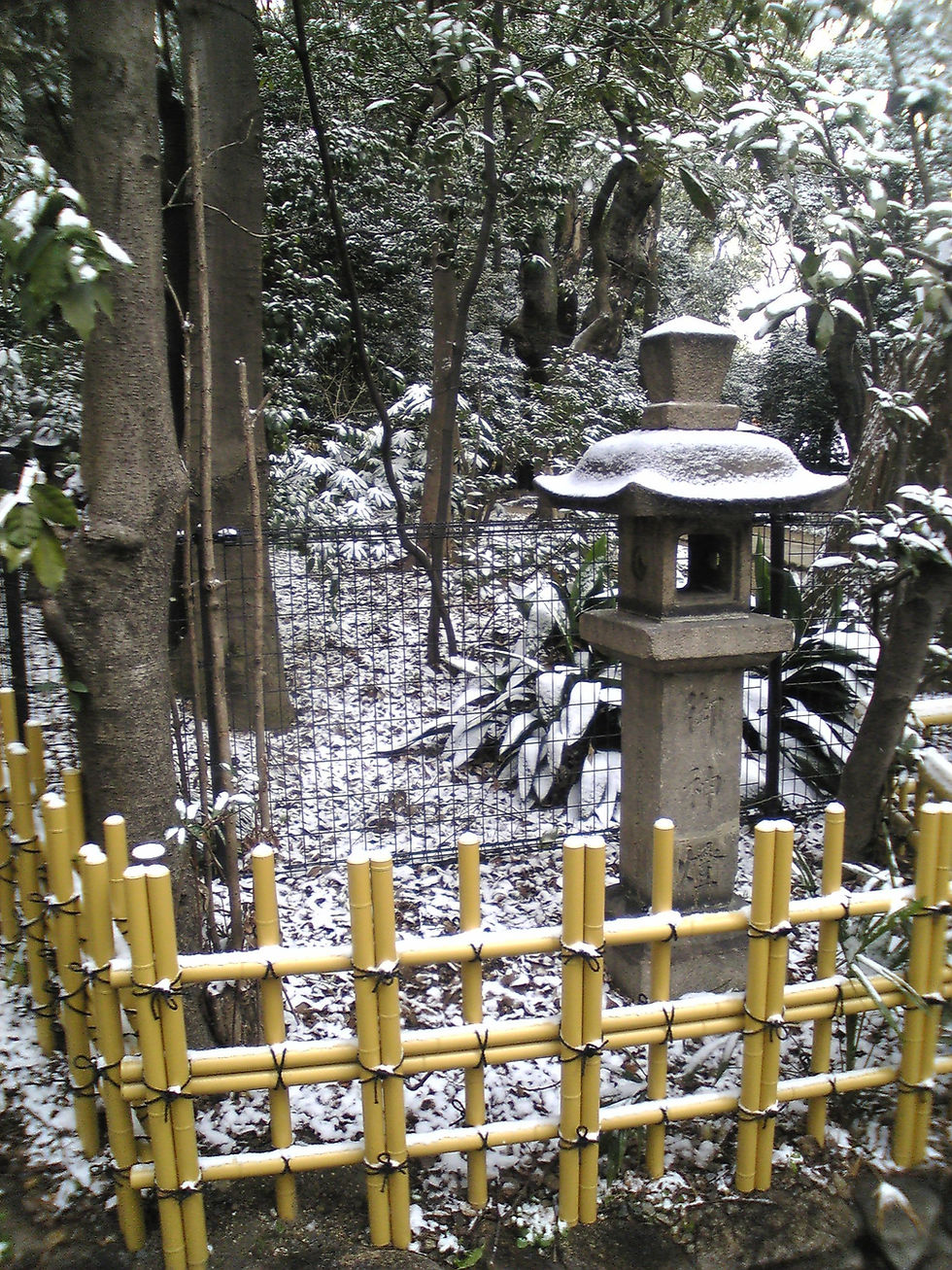
[Winter snap at a local shrine here in Kobe]
In the springtime, of course, the challenge is to try and capture the elusive "sakura" flowers in bloom. Usually they will bloom from the end of March through mid-April, but recent weather can suddenly shift that several weeks in either direction! Don't make extensive/expensive plans that depend on the sakura. They often let people down.

[Sakura (cherry blossoms) at Kiyomizu-dera in Kyoto]
And so as the cycle of the year turns, I once again remind people to avoid Japanese summertime... if it is possible.


